
We don’t just teach systems.
We build them.
From embedded sensors to full-stack dashboards, our students design, prototype, and ship real engineering projects — see what’s in progress right now.
35+
Active & completed projects
8
Research focus areas
2026
Latest cohort year
Research & Innovation
Advancing engineering knowledge through interdisciplinary research, technological innovation, and industry-driven solutions that address local and global challenges. The Department of Electronic and Computer Engineering fosters a vibrant research ecosystem where faculty, students, and collaborators work together to develop intelligent systems, sustainable technologies, and next-generation engineering solutions that address emerging challenges in industry, healthcare, agriculture, energy, and digital transformation while contributing to national development and global technological progress.
Featured Projects
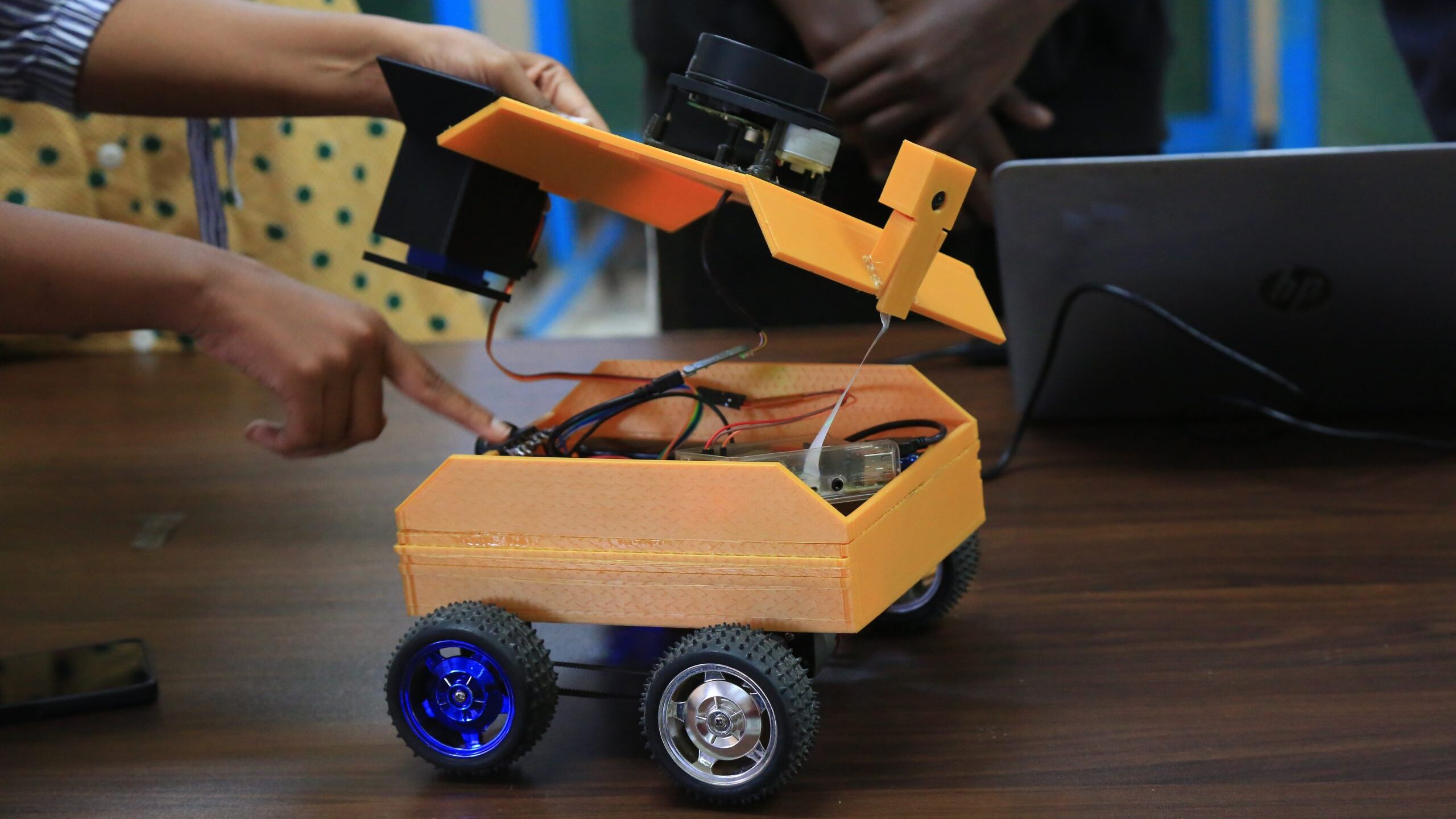
SMART AUTONOMOUS AGRICULTURE ROBOT
AI and IoT-based monitoring for precision farming and sustainable agriculture.
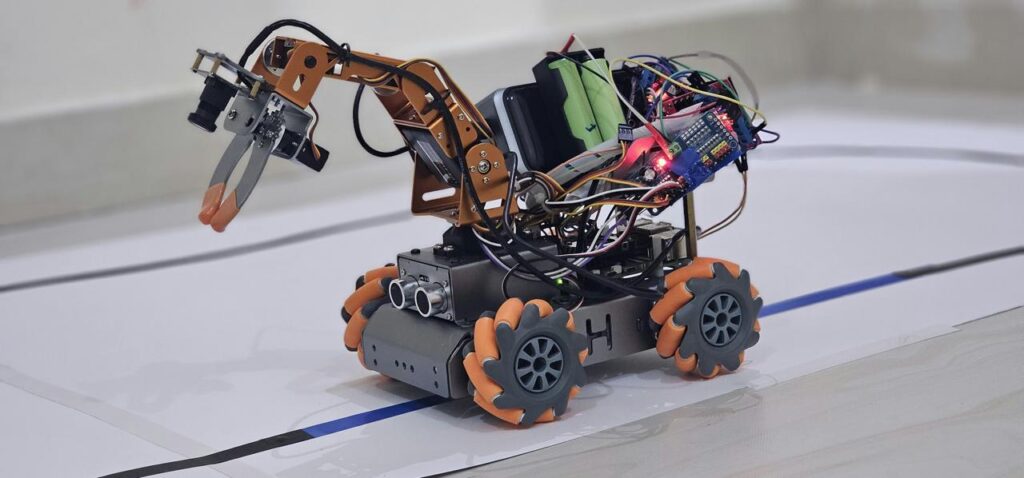
AUTONOMOUS WAREHOUSE MANAGEMENT ROBOT
(RECAP)
| Mobile robotics for inventory management and warehouse automation. |
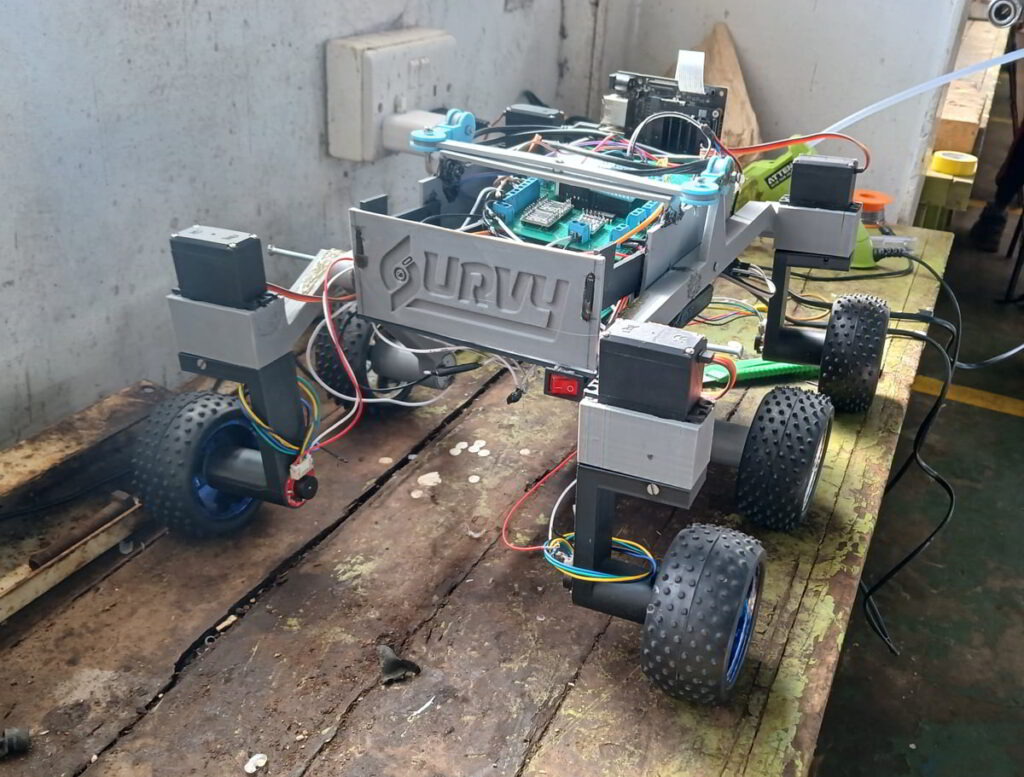
AUTONOMOUS SURVEY ROBOT FOR INACCESSIBLE MINING ENVIRONMENTS
| An autonomous robot integrated with a jetson nano, camera, environment sensors for reliable environment sensing, collection of data and processing of survey data |
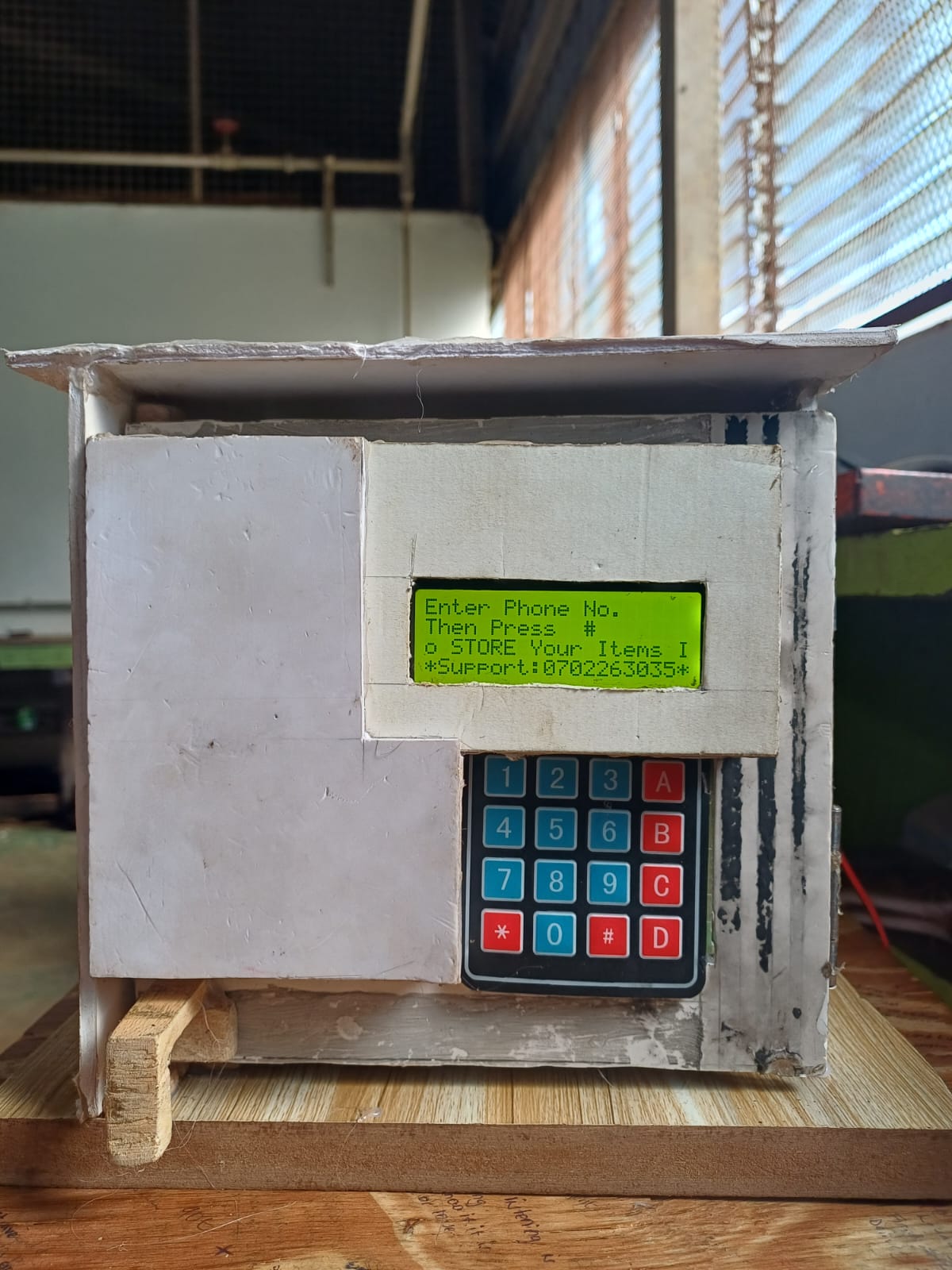
AUTOMATED DOOR LOCK MANAGEMENT SYSTEM FOR SHARED STORAGE UNITS
| Embedded IoT door lock system improving security and intelligent access management. |

STUDENTS IN THE ELCTRICAL WORKSHOP
| Electronic and computer Engineering student doing soldering work in the electrical workshop. |
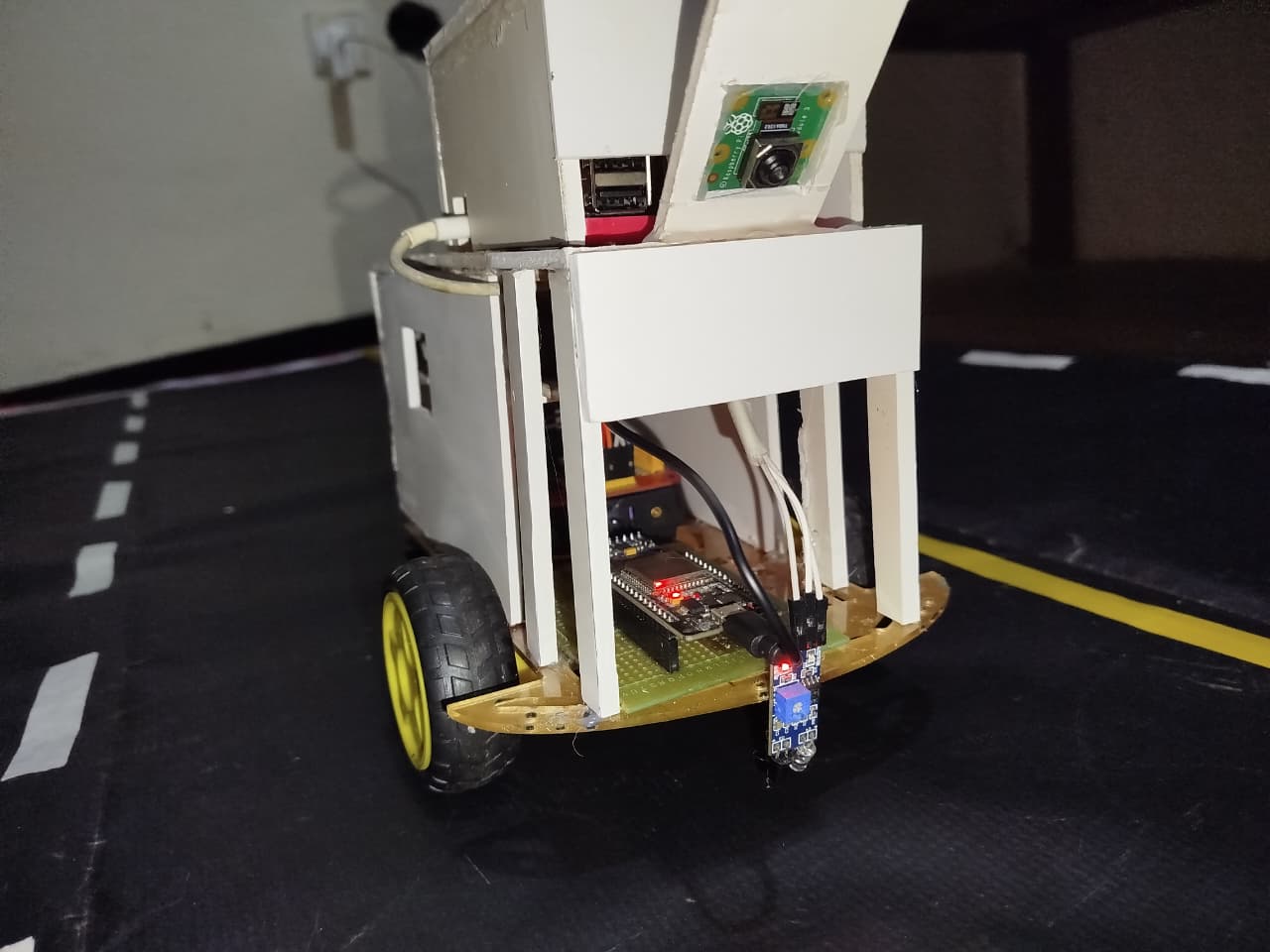
LANE HOPPING DETECTION AND MONITORING SYSTEM
| YOLOV11n-powered lane-hopping detection and automated traffic violation reporting for road safety enforcement |
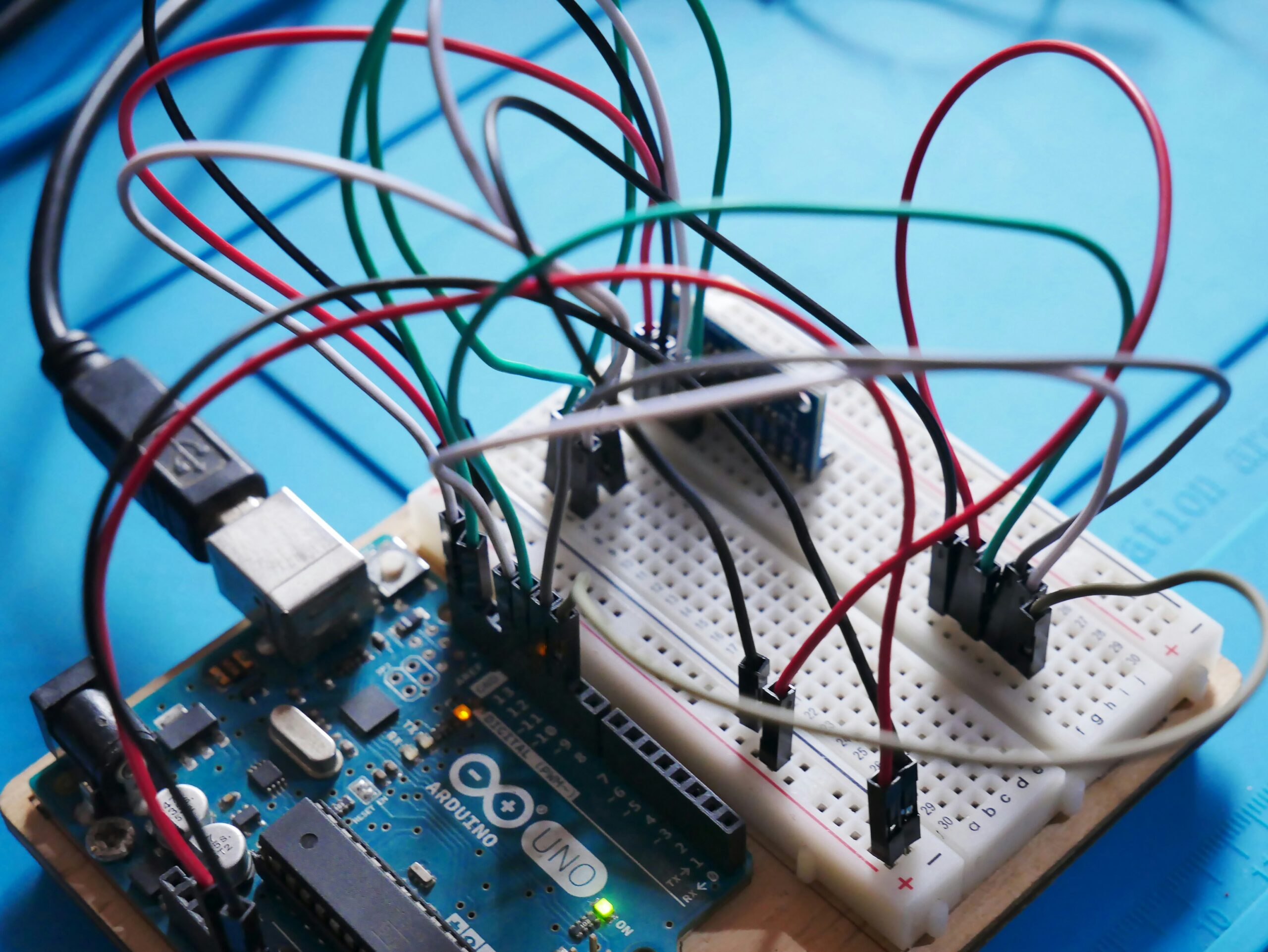
Embedded Systems & Internet of Things (IoT)
Designing intelligent embedded platforms, connected sensor networks, cyber-physical systems, and IoT solutions for industrial automation, healthcare, and smart environments.

Cybersecurity & Network Engineering
Advancing secure communication networks, digital forensics, cryptographic systems, cyber defense strategies, and resilient infrastructures for modern digital ecosystems.
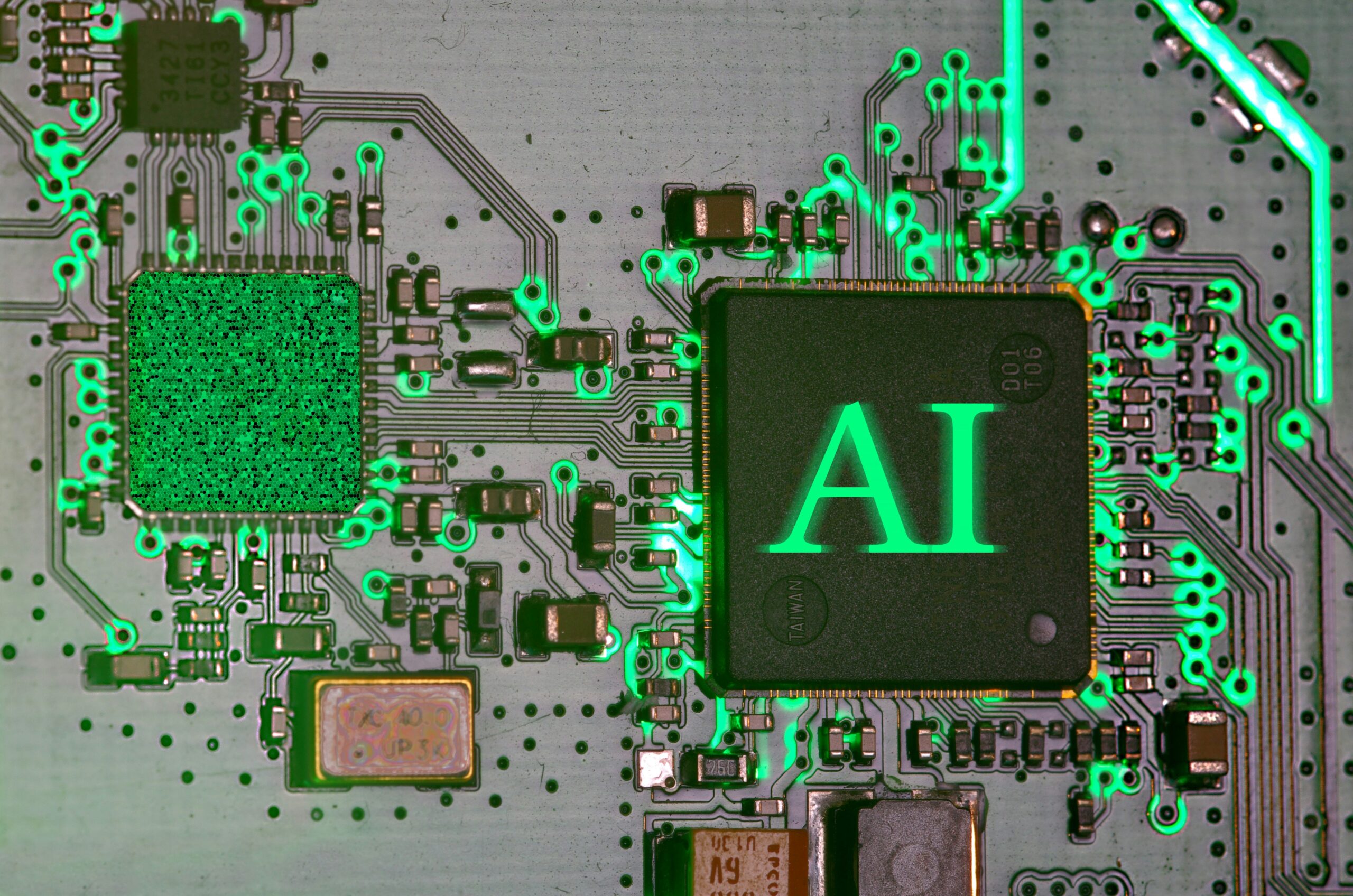
Artificial Intelligence, Machine Learning & Intelligent Systems
Developing intelligent algorithms for computer vision, predictive analytics, autonomous systems, machine learning, and human-centered AI applications.
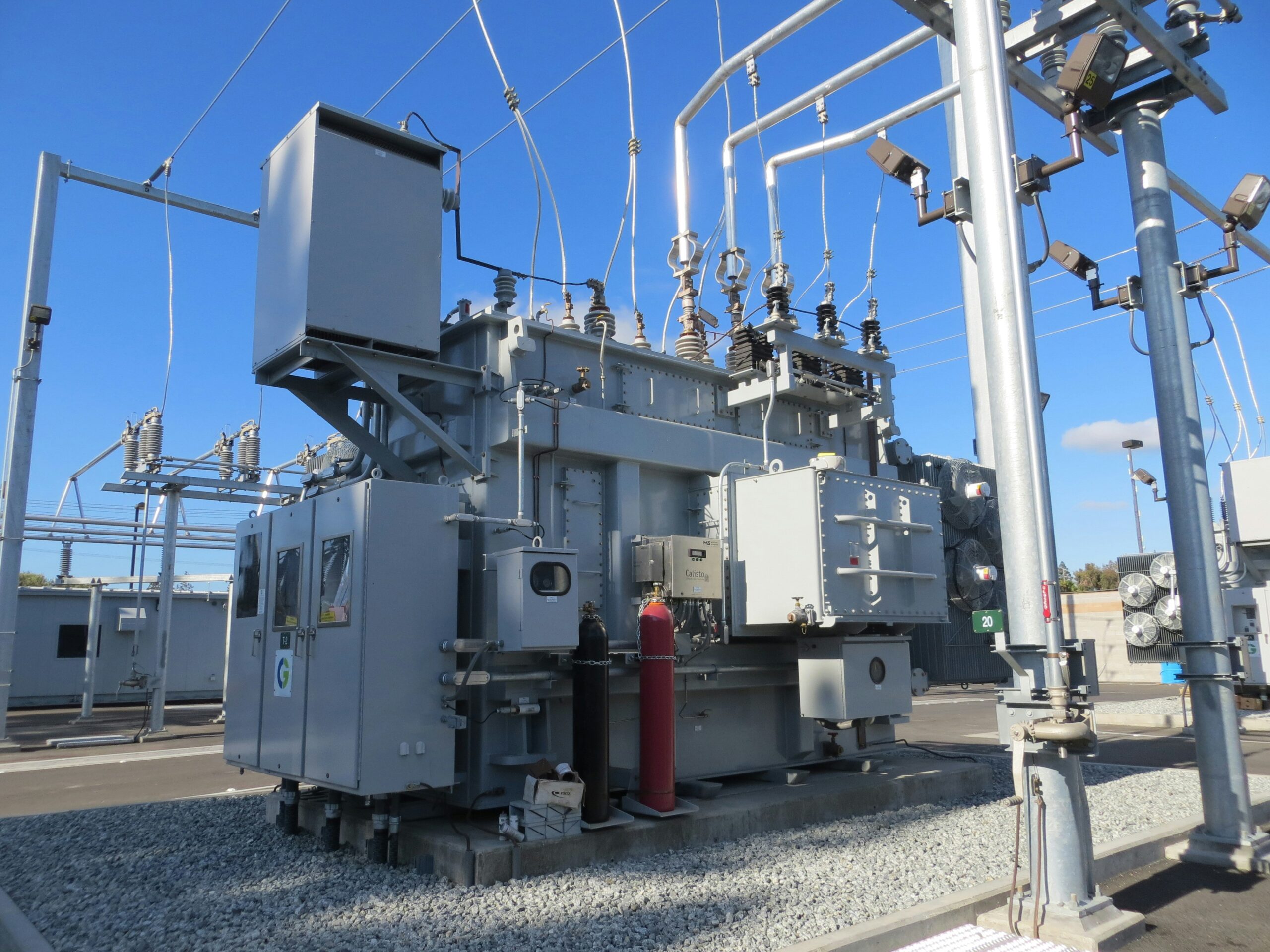
Power Systems, Smart Grids & Renewable Energy
Researching intelligent power systems, smart grids, renewable energy integration, power electronics, and sustainable electrical infrastructure for future energy networks.
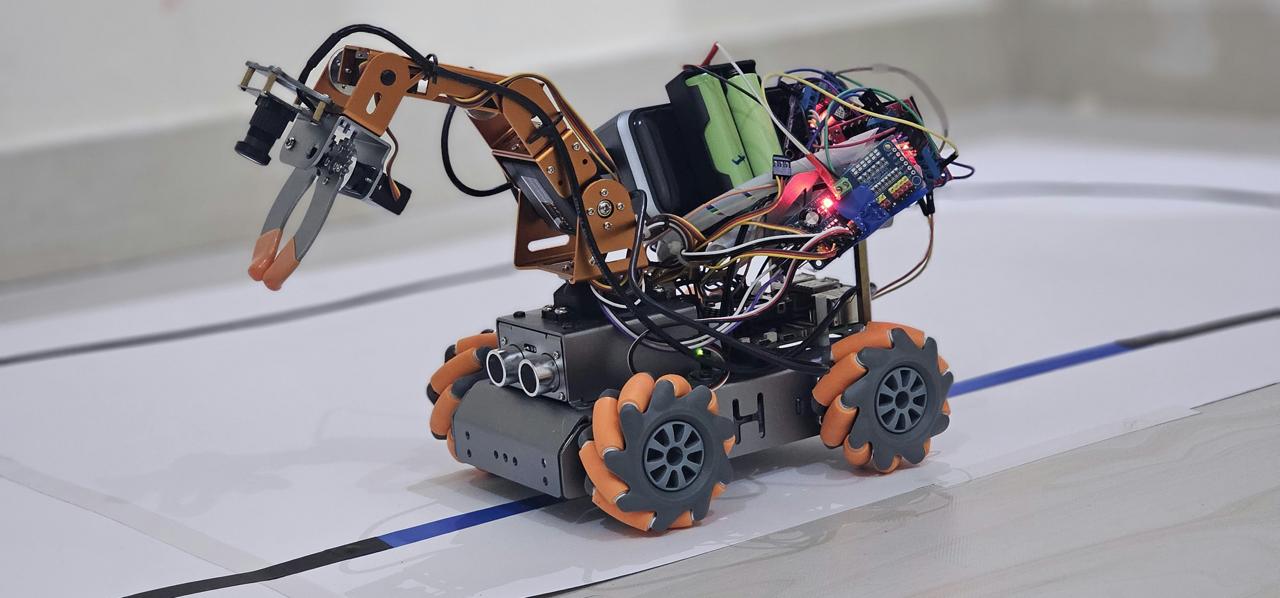
Robotics, Automation & Control Systems
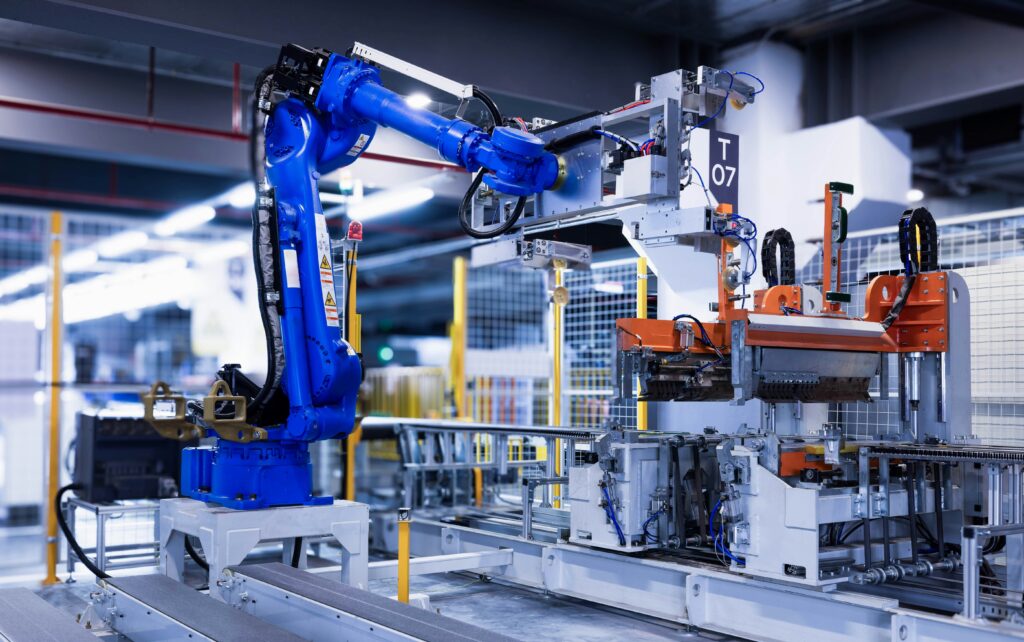
Designing autonomous robotic systems, intelligent automation technologies, advanced control algorithms, and human-robot collaboration for industrial and societal applications.

Communication Systems & Signal Processing
Investigating wireless communication technologies, digital signal processing, antenna systems, optical networks, and next-generation communication infrastructures.

Cloud Computing, Edge Computing & Distributed Systems
Developing scalable cloud platforms, edge computing architectures, distributed systems, and intelligent computing infrastructures for data-intensive engineering applications.
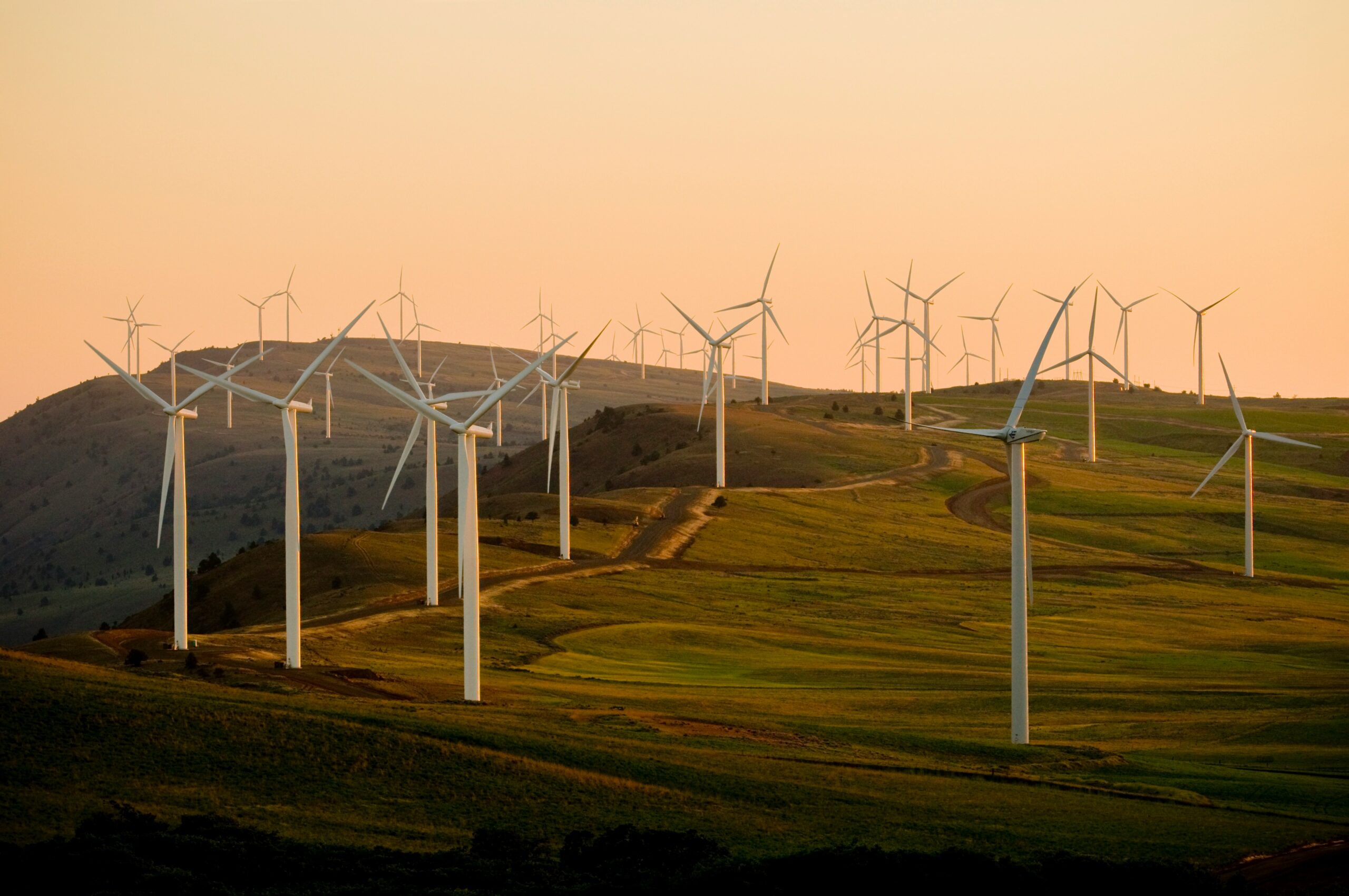
Smart Energy Systems & Renewable Technologies
Developing sustainable energy technologies, intelligent energy management systems, renewable power solutions, and efficient electrical infrastructures for resilient and low-carbon communities.
Research Themes
The Department of Electronic and Computer Engineering advances multidisciplinary research across eight strategic themes, integrating electronics, computing, intelligent systems, and sustainable technologies to address emerging engineering challenges. Our research ecosystem promotes innovation through collaboration among faculty, students, industry, and research partners, translating scientific discovery into practical solutions with local and global impact.
Our research encompasses Embedded Systems & Internet of Things (IoT), Artificial Intelligence & Intelligent Systems, Cybersecurity & Network Engineering, Communication Systems & Signal Processing, Robotics, Automation & Control Systems, Cloud, Edge & Distributed Computing, Power Systems & Smart Grids, and Smart Energy Systems & Renewable Technologies. Across these domains, we explore intelligent automation, secure digital infrastructure, next-generation communication technologies, renewable energy integration, advanced computing platforms, and resilient engineering systems.
These research themes are supported by a wide range of focus areas, including embedded intelligence, computer vision, machine learning, digital signal processing, wireless communications, industrial automation, control engineering, cloud computing, edge AI, cybersecurity, smart grids, power electronics, renewable energy systems, and sustainable engineering technologies. Together, they empower our researchers and students to develop innovative, scalable, and impactful solutions that contribute to industrial advancement, economic development, and sustainable communities.
Research Laboratories
The Department of Electronic and Computer Engineering is supported by a diverse network of modern research laboratories and innovation facilities that provide an enabling environment for scientific discovery, technological advancement, and interdisciplinary collaboration. These laboratories support research in embedded systems, artificial intelligence, robotics, communication systems, cybersecurity, power electronics, renewable energy, and intelligent computing, while providing students and researchers with access to advanced equipment, simulation tools, and prototyping technologies. In collaboration with the College of Engineering and Technology (COETEC), industry partners, and research institutions, our laboratories foster innovation through hands-on experimentation, product development, and applied research that addresses real-world engineering challenges and contributes to sustainable industrial and societal development.
Gallery
Upload Your Project
Collaborate. Innovate. Transform.
Whether you’re a researcher, industry partner, government agency, or funding organization, we welcome collaborations that advance scientific discovery, accelerate technological innovation, and create engineering solutions with lasting societal impact.